
News
N-butane (C4H10, CAS No.: 106-97-8) belongs to Class 2.1 flammable gas and is included in the "Directory of Hazardous Chemicals". Its flash point is -60℃, and the explosive limit in air is 1.8% to 8.4% (volume fraction). The relative density of n-butane vapor is 2.1, which is heavier than air. After leakage, it is prone to flow along the ground and accumulate in low-lying areas. It is likely to cause backfire when exposed to a distant fire source. The production, storage, use, operation, and transportation of n-butane must comply with relevant laws and regulations for hazardous chemicals; hazardous chemical units should implement the responsibility system for all staff in safety production, and establish a dual-prevention mechanism of risk classification control and hidden danger investigation and treatment.
Before using the n-butane gas cylinder, confirm that the cylinder body markings and warning labels are intact; check if the cylinder body is corroded, deformed, or cracked, and that the accessories such as the shock ring, cap, and valve are in good condition. Gas cylinders beyond the inspection period must be inspected before use.
2. Gas operation norms
Keep the working area well ventilated. Leakage of n-butane will reduce the oxygen content in the space, and high concentrations can cause asphyxiation, and in severe cases, lead to death. The operation area should be far away from open flames, sparks, and high-temperature heat sources. Smoking is prohibited, and explosion-proof electrical and lighting facilities should be provided. Before entering the operation area, detect the oxygen content. During fluid transportation, static electricity is likely to be generated, and when using liquid n-butane, ensure grounding and anti-static measures, and select non-sparking tools. N-butane is colorless and odorless, and it is impossible to determine the leakage by smell. Soap water can be used to check for leaks at the valve, hose, and interface; it is recommended to install a combustible gas alarm in the operation area.
3. Emergency response for leakage
In case of n-butane leakage: immediately shut off the gas source, open the ventilation, and remove nearby fire sources; do not switch electrical appliances, call mobile phones, or produce any sparks. Personnel should evacuate to a safe area. In case of necessity, consult professionals. When entering the dangerous area for handling, wear self-contained breathing apparatus. Do not directly spray water on liquid n-butane; rotate the leaking gas cylinder so that the leak opening is upward to avoid a large amount of liquid medium escaping. If the gas source cannot be cut off and there is no environmental risk, let the flame burn out by itself; dry powder or carbon dioxide fire extinguishers should be used first, and spray water to cool the gas cylinder while implementing fire extinguishing operations in a safe shelter position.
4. Storage and transportation
Storage: The n-butane gas cylinders should be stored in a cool and ventilated warehouse for flammable gases, away from fire sources and heat sources, and isolated from oxidants and halogens. The gas cylinders should be upright and fixed, with the valve facing the same direction. The warehouse should use explosion-proof lighting; the gas cylinder storage room should not be set in the basement or semi-basement, and proper sun protection measures should be taken. Transportation: Tighten the cap of the gas cylinder, load and unload gently, and do not throw, roll, drop, or collide. When moving nearby, hold the shoulder of the cylinder and rotate the bottom; when transporting over long distances, use a dedicated gas cylinder trolley, and do not carry or hold it by the shoulder. The transportation vehicle should be marked with hazardous materials identification, the gas cylinder should be upright and fixed, and in summer transportation, shading measures should be provided.
5. Frostbite and first aid
Contact with skin by liquid n-butane will cause frostbite: rinse with a large amount of flowing water, do not tear the affected area of clothing; place the injured area in 38-42℃ warm water for rewarming, and do not rub, heat with hot water/hot air, use a clean and dry dressing for bandaging and seek medical treatment. Inhalation first aid: High concentrations of n-butane will inhibit the central nervous system and cause drowsiness and coma. Quickly transfer to an area with fresh air, keep the respiratory tract unobstructed; provide oxygen if breathing and heart rate stop, perform cardiopulmonary resuscitation immediately and send to the hospital urgently.
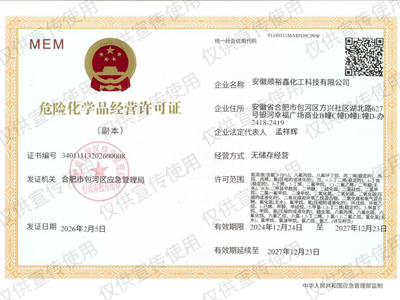
Anhui Shunyu Xinxin Chemical Technology Co., Ltd. specializes in supplying n-butane and other various industrial gases and provides supporting safety technical consultation services.

Before using the n-butane gas cylinder, confirm that the cylinder body markings and warning labels are intact; check if the cylinder body is corroded, deformed, or cracked, and that the accessories such as the shock ring, cap, and valve are in good condition. Gas cylinders beyond the inspection period must be inspected before use.
2. Gas operation norms
Keep the working area well ventilated. Leakage of n-butane will reduce the oxygen content in the space, and high concentrations can cause asphyxiation, and in severe cases, lead to death. The operation area should be far away from open flames, sparks, and high-temperature heat sources. Smoking is prohibited, and explosion-proof electrical and lighting facilities should be provided. Before entering the operation area, detect the oxygen content. During fluid transportation, static electricity is likely to be generated, and when using liquid n-butane, ensure grounding and anti-static measures, and select non-sparking tools. N-butane is colorless and odorless, and it is impossible to determine the leakage by smell. Soap water can be used to check for leaks at the valve, hose, and interface; it is recommended to install a combustible gas alarm in the operation area.
3. Emergency response for leakage
In case of n-butane leakage: immediately shut off the gas source, open the ventilation, and remove nearby fire sources; do not switch electrical appliances, call mobile phones, or produce any sparks. Personnel should evacuate to a safe area. In case of necessity, consult professionals. When entering the dangerous area for handling, wear self-contained breathing apparatus. Do not directly spray water on liquid n-butane; rotate the leaking gas cylinder so that the leak opening is upward to avoid a large amount of liquid medium escaping. If the gas source cannot be cut off and there is no environmental risk, let the flame burn out by itself; dry powder or carbon dioxide fire extinguishers should be used first, and spray water to cool the gas cylinder while implementing fire extinguishing operations in a safe shelter position.
4. Storage and transportation
Storage: The n-butane gas cylinders should be stored in a cool and ventilated warehouse for flammable gases, away from fire sources and heat sources, and isolated from oxidants and halogens. The gas cylinders should be upright and fixed, with the valve facing the same direction. The warehouse should use explosion-proof lighting; the gas cylinder storage room should not be set in the basement or semi-basement, and proper sun protection measures should be taken. Transportation: Tighten the cap of the gas cylinder, load and unload gently, and do not throw, roll, drop, or collide. When moving nearby, hold the shoulder of the cylinder and rotate the bottom; when transporting over long distances, use a dedicated gas cylinder trolley, and do not carry or hold it by the shoulder. The transportation vehicle should be marked with hazardous materials identification, the gas cylinder should be upright and fixed, and in summer transportation, shading measures should be provided.
5. Frostbite and first aid
Contact with skin by liquid n-butane will cause frostbite: rinse with a large amount of flowing water, do not tear the affected area of clothing; place the injured area in 38-42℃ warm water for rewarming, and do not rub, heat with hot water/hot air, use a clean and dry dressing for bandaging and seek medical treatment. Inhalation first aid: High concentrations of n-butane will inhibit the central nervous system and cause drowsiness and coma. Quickly transfer to an area with fresh air, keep the respiratory tract unobstructed; provide oxygen if breathing and heart rate stop, perform cardiopulmonary resuscitation immediately and send to the hospital urgently.
Anhui Shunyu Xinxin Chemical Technology Co., Ltd. specializes in supplying n-butane and other various industrial gases and provides supporting safety technical consultation services.